

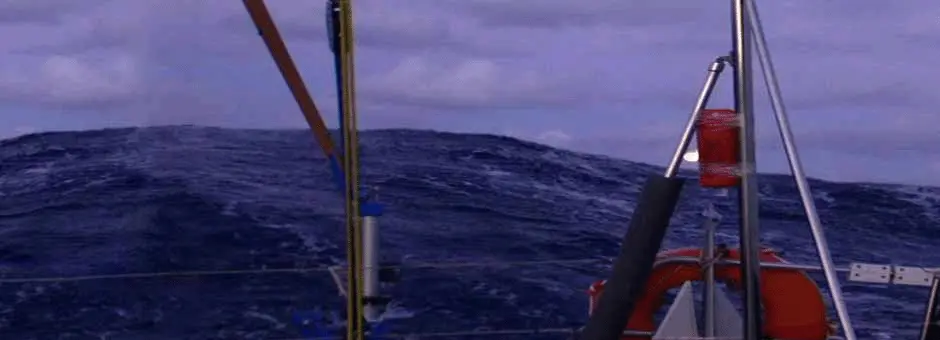


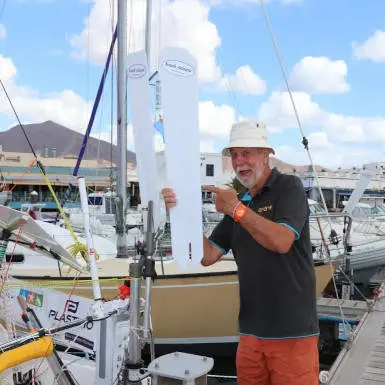
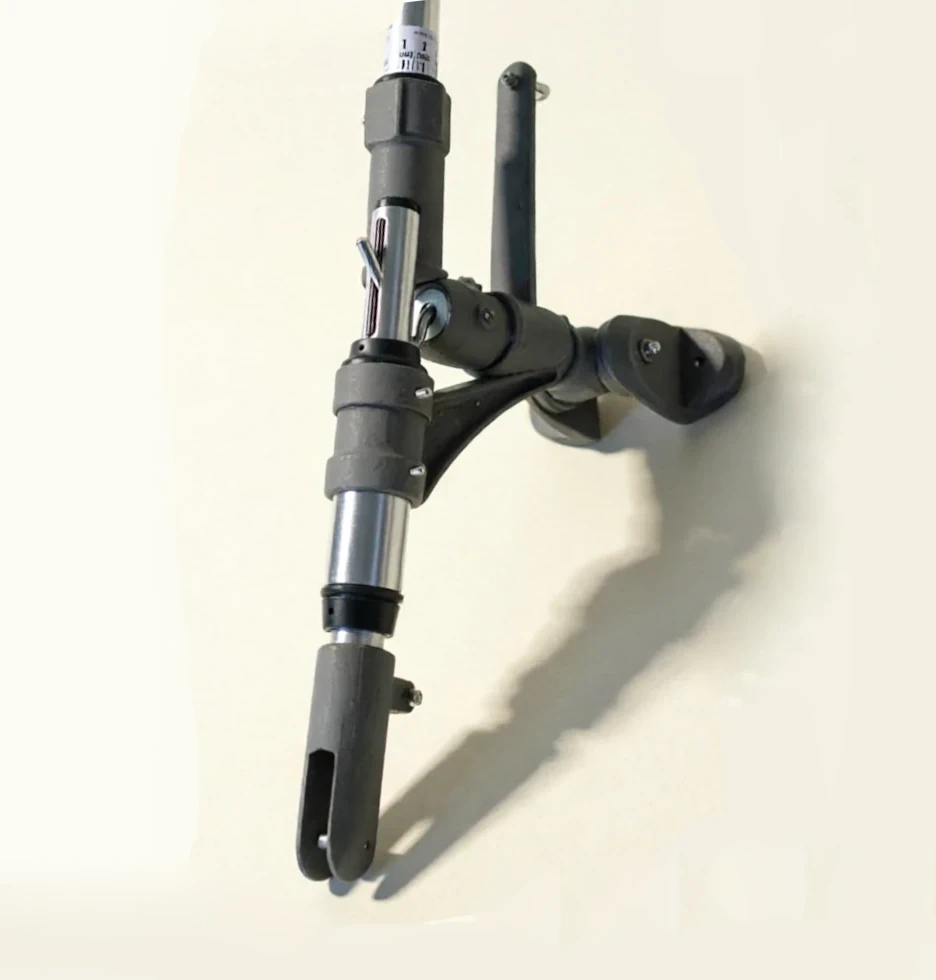
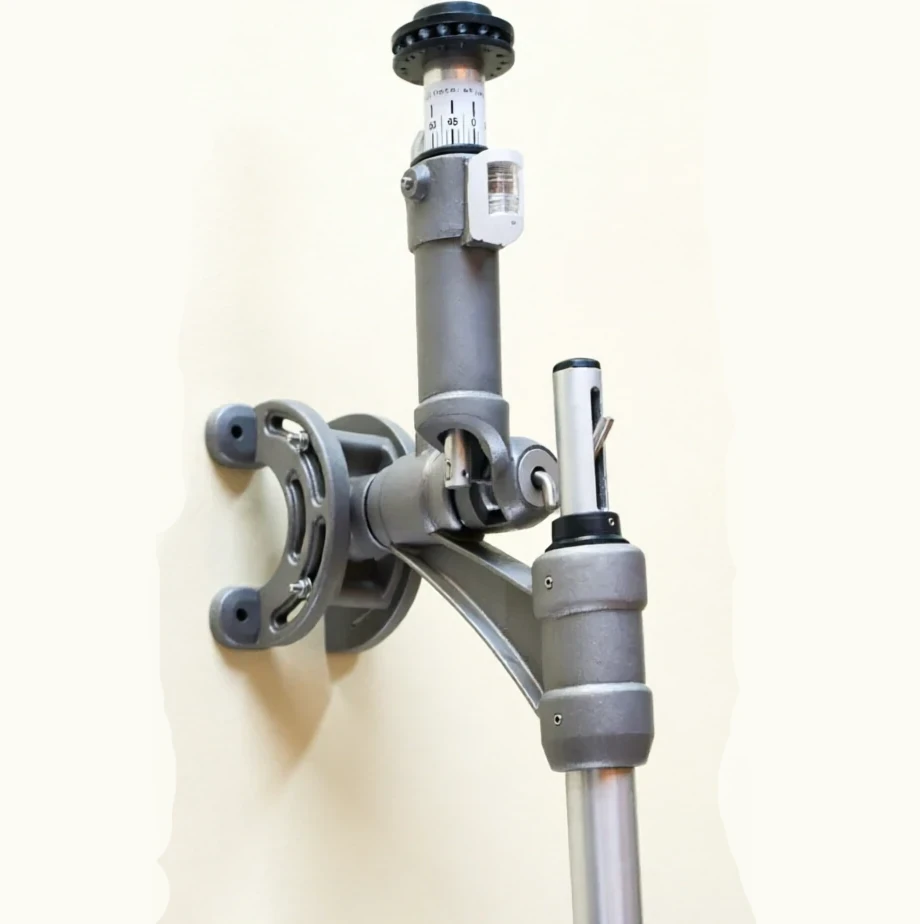
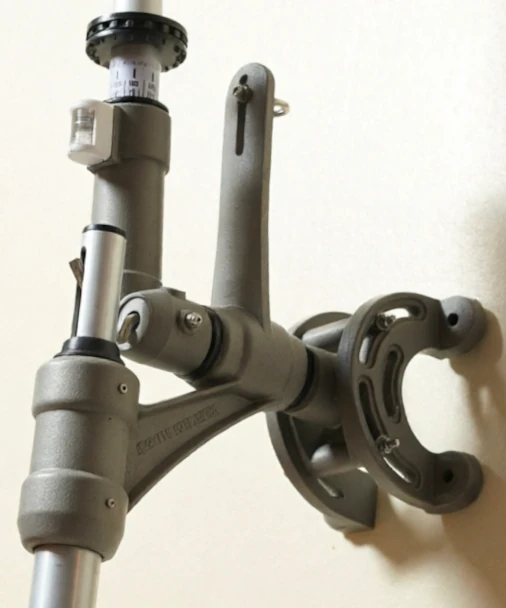
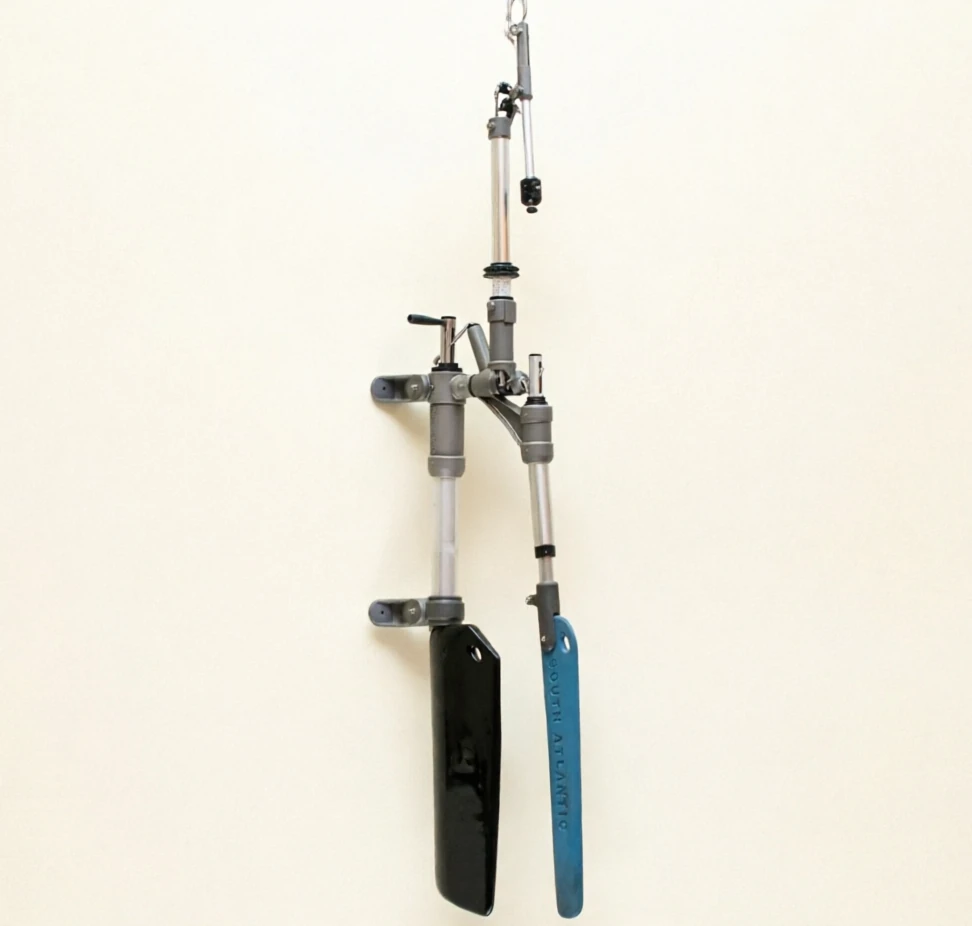
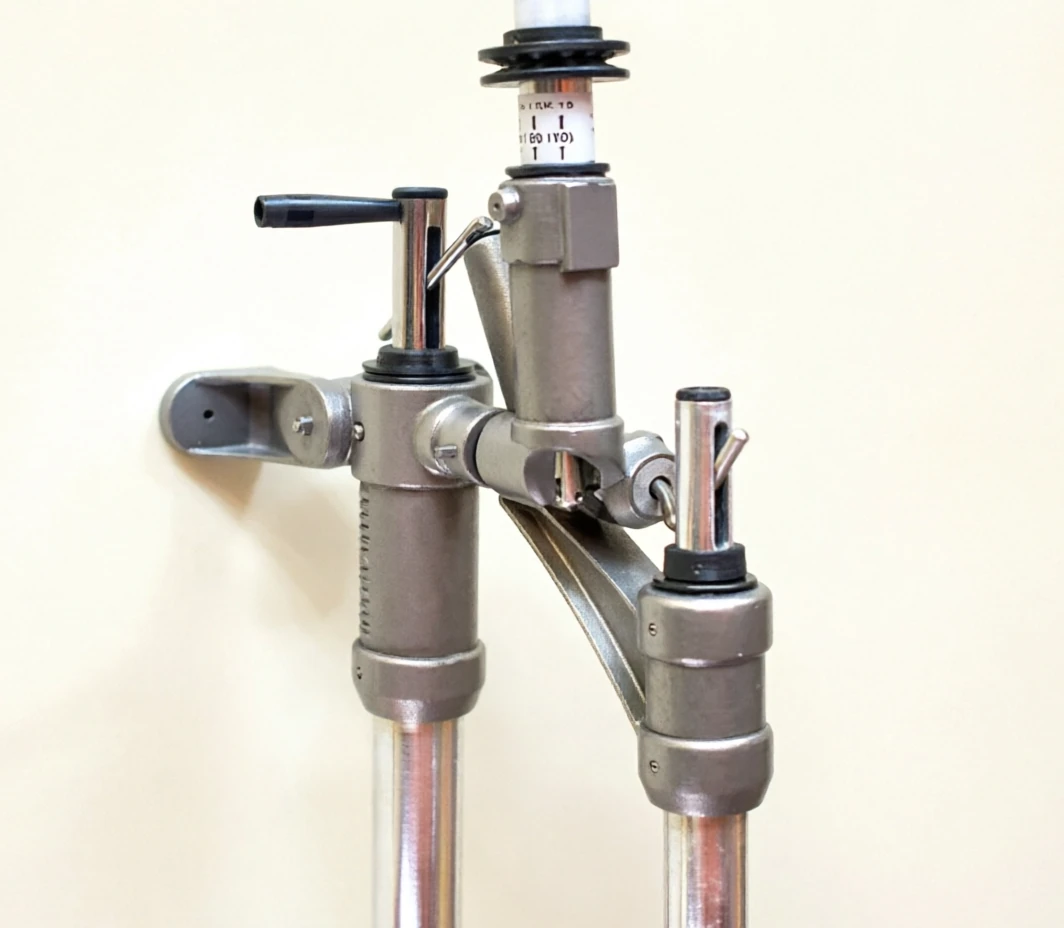
To provide dependable, entirely mechanical course-keeping without consuming a single watt of electricity. It acts as a silent, non-stop crew member that steers relative to the apparent wind, relieving you from helm duty on long voyages while preserving your battery banks.
A windvane offers clear benefits for both offshore passages and coastal cruising:
- Zero Electrical Draw: In contrast to electronic autopilots, a windvane is powered solely by wind energy and water flow. Consequently, it places no demand on your house batteries.
- Wind-Relative Steering: While electronic pilots follow a fixed magnetic compass heading, a windvane adjusts to shifts in the apparent wind. This ensures your sail trim stays optimized during long ocean transits without constant manual adjustment.
- Integrated Emergency Steering: Auxiliary-rudder systems (such as our S 600) utilize an independent rudder assembly. Should your vessel's main rudder fail at sea, you instantly have a fully functional backup steering system ready to go.
- Maximum Durability: Built for longevity, these mechanical systems are free from the vulnerable electronic circuits and fragile plastic gears that often cause modern autopilots to fail.
Windvanes vs. Electronic Autopilots
While contemporary electronic autopilots excel during motoring or brief coastal hops, they are often compromised by high amp draw, constant motor noise, and vulnerability to failure in heavy sea states. Conversely, because a windvane requires wind in the sails to function, it remains inactive while motoring. For this reason, many dedicated blue-water cruisers choose to outfit their vessels with both systems to achieve total versatility.
For comprehensive guides on mechanical operations and real-world performance, feel free to review our available technical documentation to understand the foundational mechanics.
Determining whether this equipment suits your specific sailing style depends heavily on your upcoming plans. If you are currently outfitting your boat for coastal cruising or extensive offshore passages, sharing your vessel's make, model, and displacement will help us determine whether a servo-pendulum system or an auxiliary rudder configuration is the ideal choice for your rudder setup.