Selecting a steering system is one of the most critical decisions for a long-distance navigator. This report details the advantages and disadvantages of electronic autopilots compared to mechanical windvane self-steering systems, analyzing their operational principles and their vital importance for offshore reliability.
1. Electronic Autopilots: The Energy Constraint
The primary vulnerability of an electronic autopilot lies in the vessel's battery bank capacity and power generation capabilities. In offshore sailing, reliance on electrical charge is constant; should the batteries deplete or the engine fail to start, the steering system becomes compromised.
- Tiller/Cockpit Autopilots: These connect directly to the tiller or wheel. While they include internal or external compasses, their torque and performance are limited. They are designed for low power consumption, which results in a slower response time and working speed.
- Inboard/Below-deck Autopilots: Installed directly onto the rudder quadrant, these units are engineered for higher loads but consume significant amounts of energy. While hourly consumption may seem manageable, the cumulative drain over a 24-hour passage requires a rigorous energy budget analysis.
- Operational Limitations: Electronic pilots often struggle in heavy seas because they cannot dynamically adapt to rapid weather changes. Magnetic compass signals (even those stabilized by gyrocompasses) are frequently insufficient to manage the high inertia of a surging sea. Consequently, for power-saving reasons, these systems often operate with "command pauses," leaving the vessel effectively "steerless" for a significant percentage of the hour.
2. Windvane Self-Steering: The Mechanical Solution
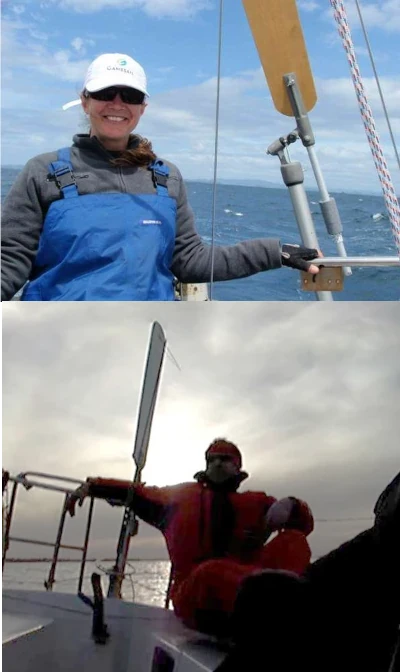
For offshore sailors, a windvane self-steering gear is a core piece of equipment, as essential as nautical charts and the compass. Various mechanical architectures allow for autonomous course-keeping without the need for electricity.
- Direct Systems (Vane-to-Helm): Some systems connect the windvane directly to the main helm via lines. These arrangements are often inadequate because the vane alone rarely yields enough power to overcome rudder resistance and system friction.
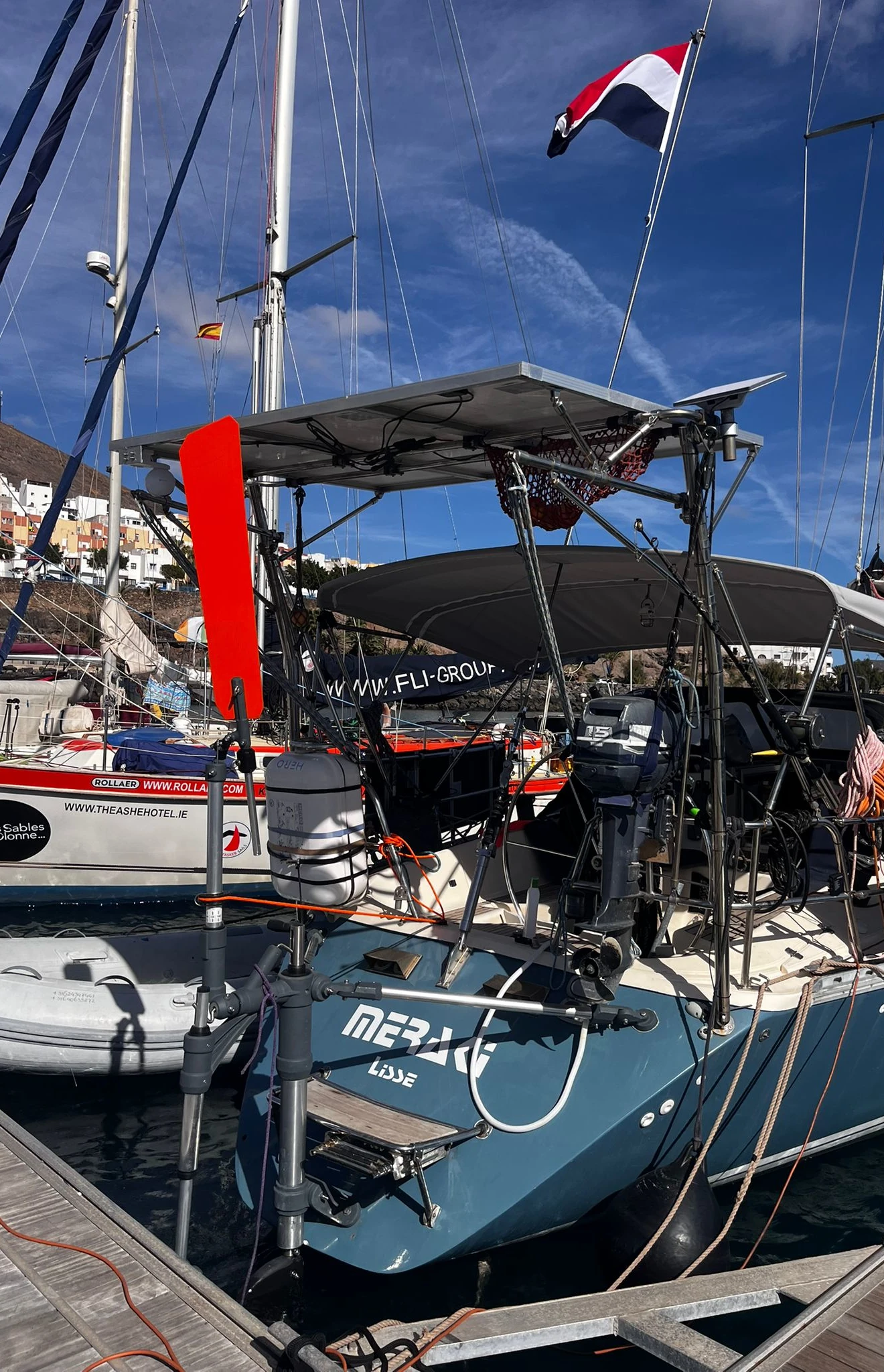
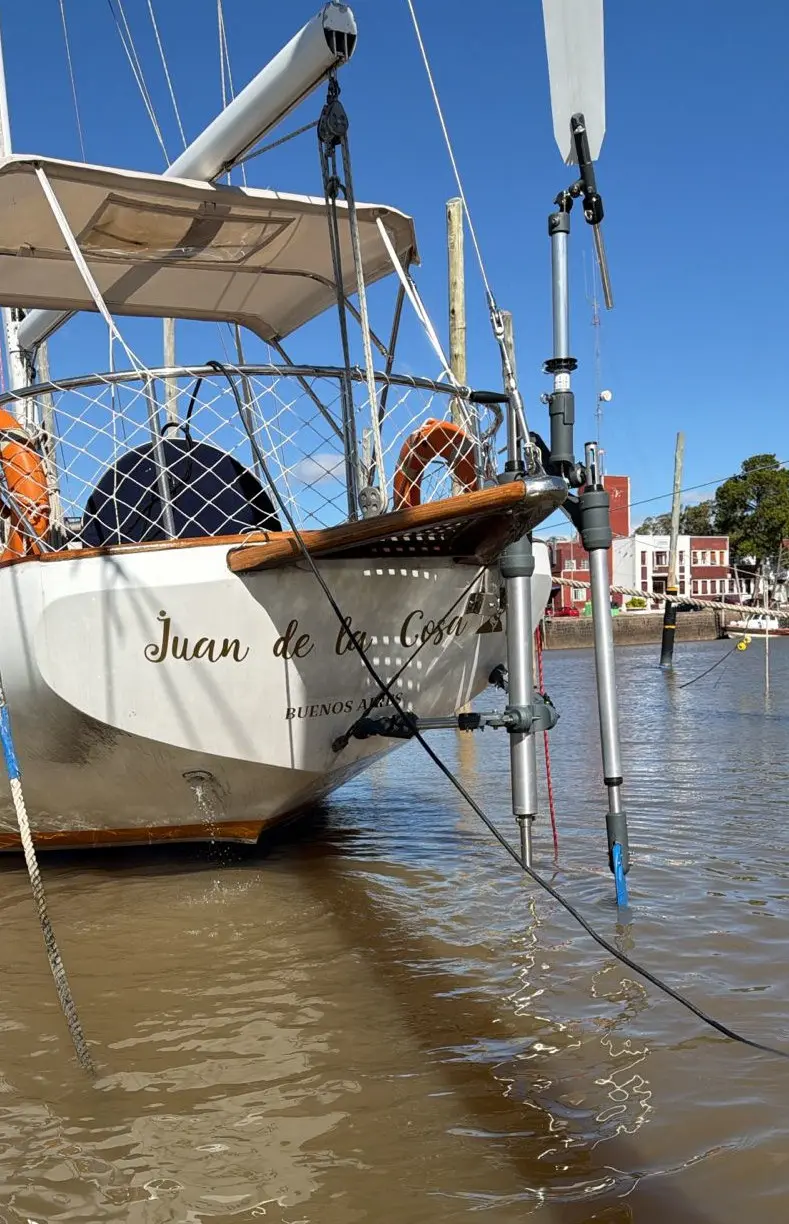
- Auxiliary Rudder Systems: The vane provides the steering impulse to a dedicated secondary rudder. The main ship’s rudder is used to trim the vessel's balance and is then locked on the centerline. These independent systems are highly robust and double as emergency rudders.