
Why Are South Atlantic Windvanes More Affordable? Engineering, Materials and Manufacturing Efficiency
1. Why Are South Atlantic Windvanes More Affordable?
South Atlantic windvane systems are significantly more affordable than many established international brands, such as Hydrovane, Monitor and Windpilot. This difference is primarily the result of an efficient manufacturing model, carefully engineered mechanical design and a cost structure that allows us to offer high-quality equipment at competitive prices.

- Efficient manufacturing and competitive operating costs: Designed and manufactured in Buenos Aires, Argentina, South Atlantic benefits from an industrial cost structure that differs considerably from that of manufacturers operating in Europe and North America. This allows us to maintain competitive prices while preserving the structural strength, material quality and mechanical reliability required for demanding offshore conditions. Our systems incorporate marine-grade stainless steels, seawater-resistant aluminum alloys and durable engineering polymers.
- Servo-pendulum technology and intelligent mechanical design: Most of the South Atlantic range, including the S 301, S 440 and S 470, is based on the servo-pendulum principle. By using the boat's own rudder for steering, these systems benefit from a mechanical architecture that is both efficient and robust. Compared with independent auxiliary-rudder systems, this approach requires fewer dedicated structural components and makes efficient use of materials without compromising the performance required for offshore sailing.
- Designed for accessible offshore sailing: South Atlantic has always focused on providing reliable, practical windvane steering systems for long-distance sailors, ocean cruisers and independent sailors who value mechanical simplicity, durability and energy independence. Our philosophy is to prioritize functional engineering and dependable performance rather than unnecessary complexity or costs associated with premium brand positioning.
While windvane systems from established European and American manufacturers can reach prices of €5,000 to €8,000 or more, depending on the model, configuration and delivery costs, South Atlantic offers a more accessible alternative. This makes mechanical windvane steering available to a wider range of sailors seeking reliable, electricity-free steering for extended offshore passages.
2. Does a Lower Price Mean Lower-Quality Materials?
No. Our competitive pricing is based on manufacturing efficiency and intelligent engineering, not on reducing material quality or compromising structural integrity. South Atlantic systems are designed to withstand the demanding conditions of offshore sailing, with particular attention to durability, mechanical reliability and ease of maintenance.
Material selection and component design are central to this approach. Our systems incorporate materials and engineering solutions suited to the loads, corrosion exposure and mechanical stresses encountered at sea:
- Marine-grade alloys and high-strength stainless steels: Our systems use seawater-resistant aluminum alloys with appropriate protective treatments, high-strength stainless steels and Super Duplex / Duplex 2205 stainless steel shafts in applicable models. These materials are selected for their mechanical strength, corrosion resistance and suitability for components exposed to sustained loads and demanding marine environments.
- High-performance engineering polymers: Selected sliding components and gears use technical polymers such as POM (polyoxymethylene, also known as acetal), valued for its dimensional stability, low moisture absorption and wear resistance. Windvane blades are manufactured from 6 mm polycarbonate, while water blades use high-density polyethylene, providing a combination of strength, impact resistance and durability.
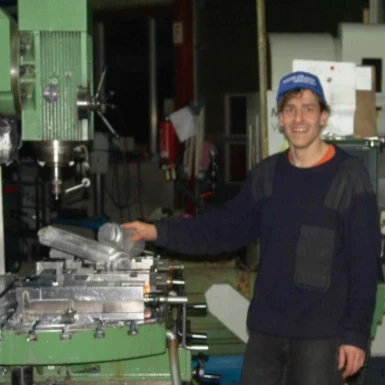
A significant part of our cost efficiency comes from local manufacturing and direct control of production processes. Manufacturing in Argentina provides access to a competitive industrial cost structure, including skilled labor, machining capabilities and infrastructure. In addition, our business model avoids many of the costs associated with extensive international distribution networks, multiple layers of intermediaries and large-scale corporate marketing operations.
In Summary
South Atlantic achieves competitive pricing through a combination of efficient manufacturing, intelligent mechanical design and a streamlined cost structure. Material quality, structural strength and offshore reliability remain fundamental design priorities.
3. Was Production Moved from Germany to Argentina?
South Atlantic's manufacturing model is based on an international approach that combines engineering and design expertise with efficient local production. Rather than relocating an established manufacturing operation, the company operates through complementary technical and industrial capabilities:
- Design and engineering in Germany: Technical design and engineering development are coordinated through a technical office in Werther, North Rhine-Westphalia. This work includes mechanical design, engineering analysis and the development of solutions tailored to the demands of offshore sailing.
- Manufacturing in Buenos Aires, Argentina: The main production facility is located in Buenos Aires, where key manufacturing operations take place, including machining, rotomolding, welding and final assembly.
An Integrated International Model
This approach combines engineering development in Germany with manufacturing in Argentina, taking advantage of the technical resources and industrial capabilities available in each location. The result is an efficient production model that helps maintain high engineering standards while keeping manufacturing and operating costs competitive.
4. Are the Products Manufactured In-House?
South Atlantic operates with a strong emphasis on in-house integrated production, maintaining direct control over key manufacturing processes and the quality of critical components.
By carrying out much of the industrial process within its own production facility, South Atlantic can coordinate manufacturing stages, maintain consistent specifications and adapt components to the specific requirements of each system.
- Metal casting: In-house sand-casting capabilities allow the production of metal components and structural supports according to the mechanical requirements of each design. Direct control over this process helps ensure consistency in component geometry and material specifications.
- Precision machining: The workshop is equipped with lathes, milling machines and machining centers used to manufacture and finish components such as housings, shafts and couplings. This capability provides control over dimensional accuracy, tolerances and component integration.
- Surface treatments and technical components: The production process includes the preparation and processing of components intended for marine environments, as well as the machining and fabrication of technical polymers and plastics used in selected system components.
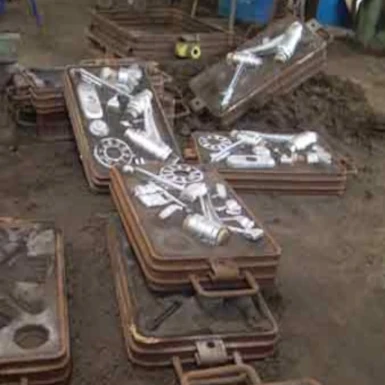
Integrated Manufacturing and Quality Control
Direct involvement in key manufacturing stages helps reduce reliance on external subcontractors, limit intermediate costs and maintain control over critical components. This integration also allows greater flexibility in production, customization and quality management.
5. Productive Efficiency, Intelligent Design and Maximum Quality
Competitive pricing does not require compromising durability, structural strength or safety. For equipment designed to operate in demanding offshore conditions, these are essential engineering requirements. South Atlantic's approach is based on an integrated strategy of production efficiency and functional design.
Several key principles contribute to this approach:
- Geographical and operational efficiency: Manufacturing in Buenos Aires provides access to competitive labor, infrastructure and operating costs, helping reduce the overall cost of production while retaining skilled industrial capabilities.
- Direct distribution: A more direct relationship with sailors reduces dependence on multiple layers of distributors and intermediaries, helping avoid additional costs that can significantly increase the final price of marine equipment.
- Function-focused engineering: Our design philosophy prioritizes robust mechanics, practical functionality, ease of maintenance and repairability. Components are designed to serve a clear mechanical purpose, avoiding unnecessary complexity and purely ornamental features that do not contribute to performance or reliability.
The Result
The result is robust offshore steering equipment manufactured with high-quality materials, including Duplex stainless steels and marine-grade aluminum alloys, and designed to withstand demanding conditions at sea. Through efficient production and intelligent engineering, South Atlantic delivers durable, dependable systems at accessible and competitive prices.
6. Conclusions
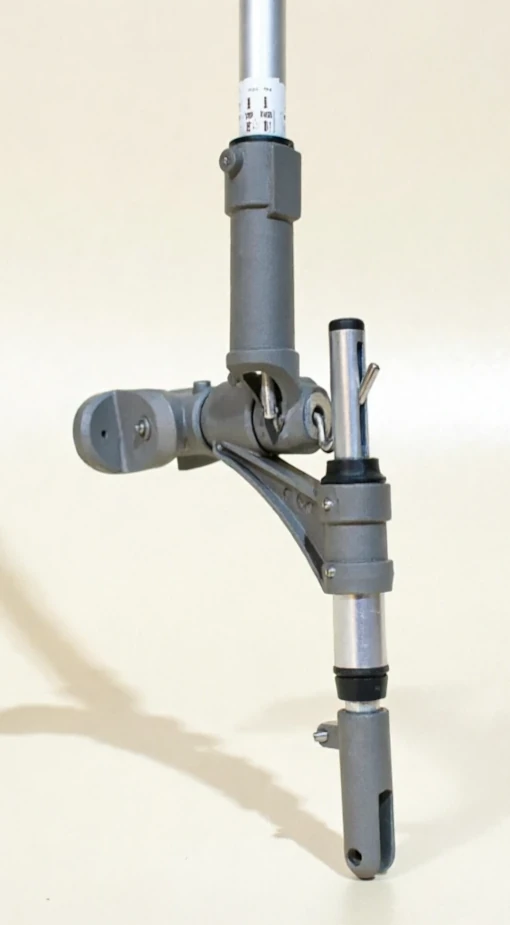
Accessible Prices, Without Compromising Quality
Affordable pricing does not mean sacrificing safety, engineering or material quality. South Atlantic's approach is built on technical expertise, integrated manufacturing processes and an efficient cost structure. By optimizing how systems are designed and produced, we make reliable offshore steering equipment more accessible without compromising its essential engineering requirements.
The Complete Equation
By managing key stages of the production chain — from casting and machining to final assembly — and operating within a competitive industrial environment, South Atlantic optimizes manufacturing costs and reduces unnecessary overheads. This approach minimizes the impact of intermediate costs and extensive marketing structures that can contribute significantly to the final price of marine equipment in the international market.
Designed for the Demands of Offshore Sailing
The result is a robust, reliable and repairable windvane steering system, engineered to withstand thousands of miles at sea. Its competitive price reflects the efficiency of its manufacturing process and the intelligent use of engineering resources, rather than a reduction in structural quality, material standards or functional performance.